
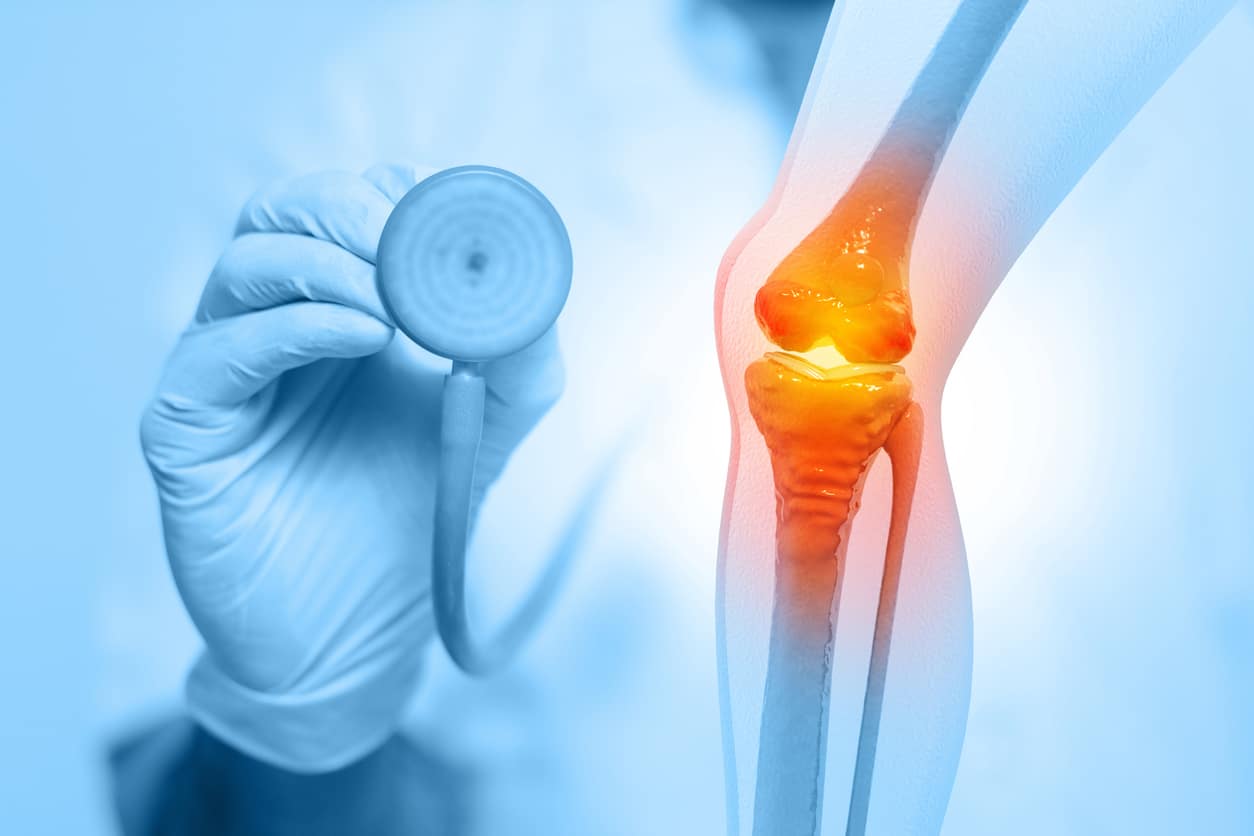
Most people have experienced joint pain at some point. A sore knee after a long walk. Stiff shoulders after a day at the computer. A little discomfort that fades with rest.
But what happens when it doesn’t go away?
That’s where things get less clear. Many people live with joint pain longer than they should, assuming it’s just part of getting older or something they need to push through. The truth is, while some aches are normal, persistent or worsening pain can be your body’s way of asking for help.
Knowing the difference can help you avoid unnecessary discomfort and get the right care at the right time.
What Causes Joint Pain in the First Place?

Joint pain can come from a wide range of issues, some temporary and some more serious.
Common causes include:
- Overuse or minor injuries
- Muscle strain
- Arthritis
- Tendon or ligament injuries
- Inflammation
- Previous injuries that didn’t fully heal
In many cases, pain improves with rest, stretching, or over-the-counter treatments. But when symptoms stick around or start interfering with daily life, it may be time to take a closer look at what’s going on.
Understanding chronic joint pain causes is an important first step in deciding whether to seek care.
When to See an Orthopedic Doctor
It’s not always obvious when joint pain crosses the line from manageable to something that needs evaluation.
So, when to see an orthopedic doctor?
A good rule of thumb is to pay attention to patterns. If your pain is:
- Lasting more than a few weeks
- Getting worse instead of better
- Limiting your movement or activity
- Returning frequently
- Affecting your ability to sleep or work
…it’s worth scheduling an evaluation.
Orthopedic specialists focus on the bones, joints, ligaments, and muscles that keep your body moving. At UAB Medical West, orthopedic providers help patients in Bessemer and across Jefferson County identify the source of pain and create a plan to address it.
When to See a Doctor for Knee Pain
Knee pain is one of the most common complaints, especially among active adults and older patients.
You should consider an evaluation if you notice:
- Swelling that doesn’t go down
- Instability or a feeling that the knee might give out
- Difficulty bending or straightening the leg
- Pain that worsens with activity
- A popping or grinding sensation
- Pain after an injury that doesn’t improve
The knee is a complex joint, and even minor issues can become more serious over time if left untreated. Early evaluation can often prevent the need for more advanced treatment later.
Signs Your Joint Pain May Be More Than Normal Wear and Tear
It’s easy to assume that joint pain is just part of aging, but that’s not always the case.
Some signs that your pain may need medical attention include:
- Persistent stiffness, especially in the morning
- Reduced range of motion
- Ongoing swelling or warmth around the joint
- Pain that interferes with daily activities
- Clicking, locking, or instability
These symptoms may point to conditions like arthritis, cartilage damage, or ligament issues that benefit from early treatment.
At UAB Medical West, orthopedic care focuses on identifying these issues early, before they progress and limit mobility further.
Signs You May Need Joint Replacement Surgery
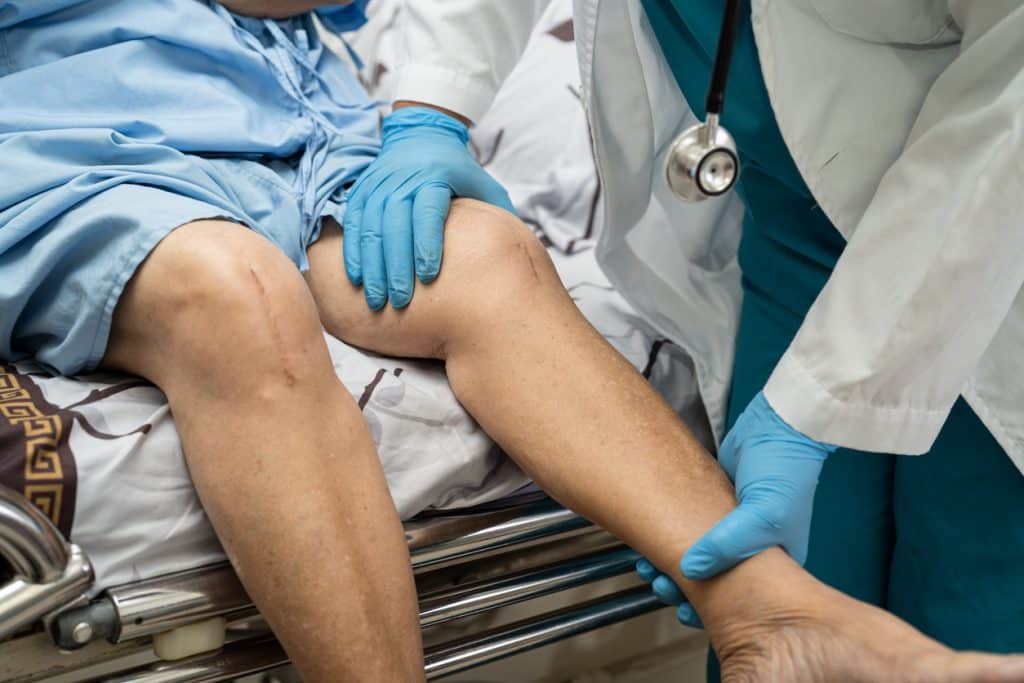
For some patients, joint pain progresses to the point where more advanced treatment is considered.
Understanding the signs you need a joint replacement can help you know when it’s time to have that conversation.
These signs may include:
- Severe pain that persists even at rest
- Difficulty walking, climbing stairs, or standing
- Joint stiffness that limits movement significantly
- Pain that no longer responds to medication or therapy
- A noticeable decline in quality of life
Joint replacement is typically not the first step in treatment. It is considered after other options have been explored. However, for the right patient, it can significantly improve mobility and reduce pain.
The Joint Replacement Center at UAB Medical West provides personalized evaluations to determine whether this option is appropriate and when the timing is right.
What Happens During an Orthopedic Evaluation?
If you decide to seek care, the first step is a comprehensive evaluation.
This usually includes:
- A discussion of your symptoms and medical history
- A physical exam to assess movement, strength, and stability
- Imaging, such as X-rays or MRI, if needed
The goal is to understand not just where the pain is, but why it’s happening.
From there, your provider will walk you through treatment options, which may include:
- Physical therapy
- Activity modification
- Medications or injections
- Minimally invasive procedures
- Surgical options, if necessary
Why Early Treatment Makes a Difference
One of the biggest misconceptions about joint pain is that it’s something you just have to live with.
In reality, early treatment can:
- Prevent further joint damage
- Reduce pain more effectively
- Improve mobility
- Delay or avoid the need for surgery
Addressing joint pain early often leads to better outcomes and a faster return to the activities you enjoy.
Listening to Your Body Matters
Your body is good at sending signals when something isn’t right.
The challenge is not ignoring those signals.
If joint pain is becoming part of your daily routine, limiting your activity, or simply not improving, it’s worth taking seriously. You don’t have to wait until the pain becomes severe to seek help.
Orthopedic care is not just about surgery. It’s about understanding your condition and finding the right path forward, whether that involves therapy, lifestyle changes, or advanced treatment.
Take the Next Step Toward Relief at UAB Medical West
If joint pain is holding you back, getting answers is the first step toward feeling better.
Orthopedic specialists at UAB Medical West provide comprehensive care for patients in Bessemer and throughout Jefferson County, helping identify the cause of pain and create personalized treatment plans that support long-term mobility.
You don’t have to push through the pain or wait for it to get worse. Taking action now can help you move more comfortably and confidently in the future. Contact us today to schedule an appointment.