
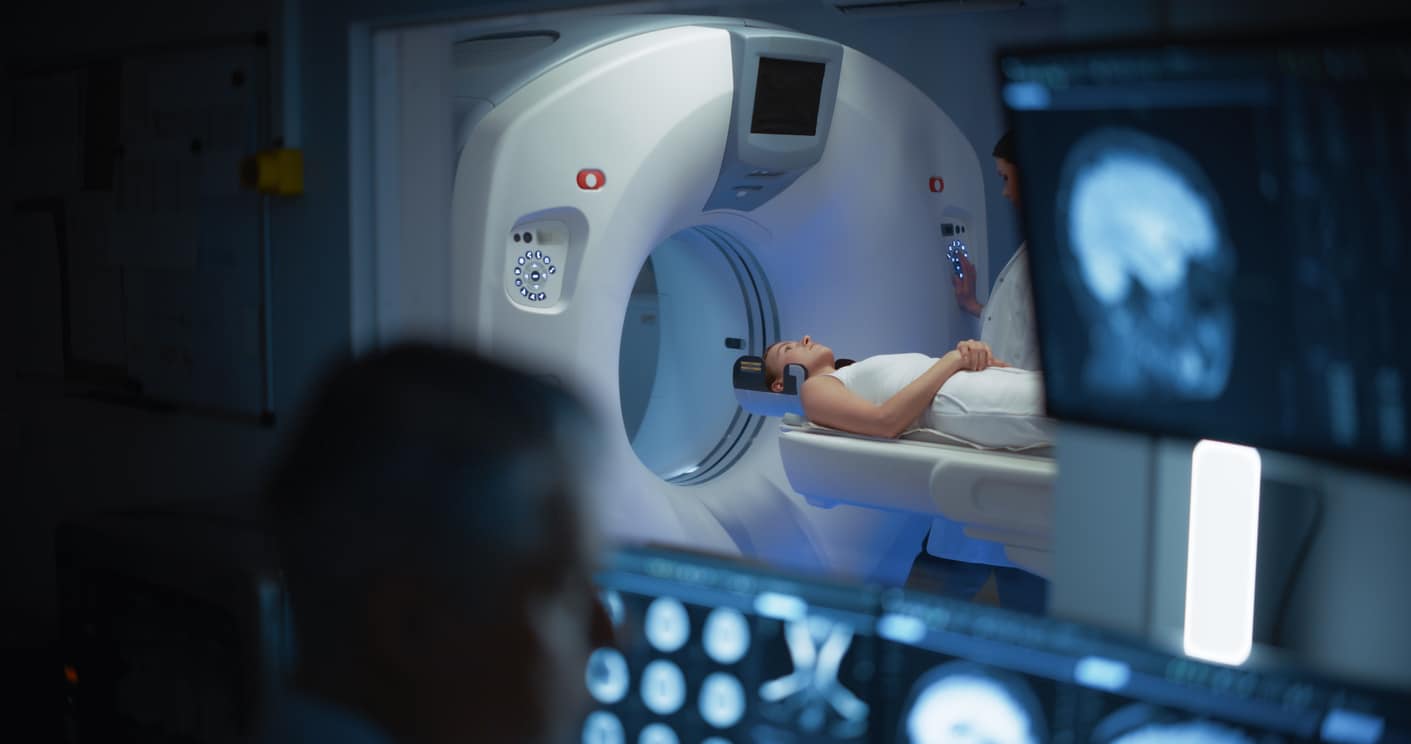
MRI Vs CT Scans At a Glance
- CT scans and MRIs both create detailed images, but each uses a different technology for different needs.
- CT scans are faster and often used in emergencies, while MRIs provide more detail for soft tissues.
- Most CT scans take just a few minutes, while MRIs typically take 30 to 60 minutes.
- Both imaging tests are safe for most patients and play a key role in accurate diagnosis.
If your doctor has ordered imaging, it’s completely normal to have questions.
Maybe you’ve heard the terms before, but you’re not quite sure what they mean. Or perhaps you’re wondering why one test is being recommended over another, or what the experience will actually feel like.
CT scans and MRIs are both powerful diagnostic tools. They help doctors see what’s happening inside your body without surgery. But they work in different ways, are used for different reasons, and can feel very different from a patient’s perspective.
Understanding what to expect can go a long way in making the process feel more manageable.
What Is the Difference Between an MRI and a CT Scan?
One of the most common questions patients ask is about the difference between MRI and CT scan exams.
While both provide detailed images of the inside of your body, they use different technology:
- CT scans use X-rays to create cross-sectional images of bones, organs, and tissues
- MRIs use strong magnets and radio waves to produce highly detailed images, especially of soft tissues
Because of this, each test has its strengths.
CT scans are often used for:
- Detecting fractures or internal injuries
- Evaluating lungs and chest conditions
- Diagnosing certain cancers or infections
- Emergency situations where speed is critical
MRIs are often preferred for:
- Brain and spinal cord imaging
- Joint and soft tissue injuries
- Ligament or tendon damage
- Certain neurological conditions
At UAB Medical West, imaging specialists choose the test that will provide the clearest, most useful information for your specific condition.
What Happens During a CT Scan?
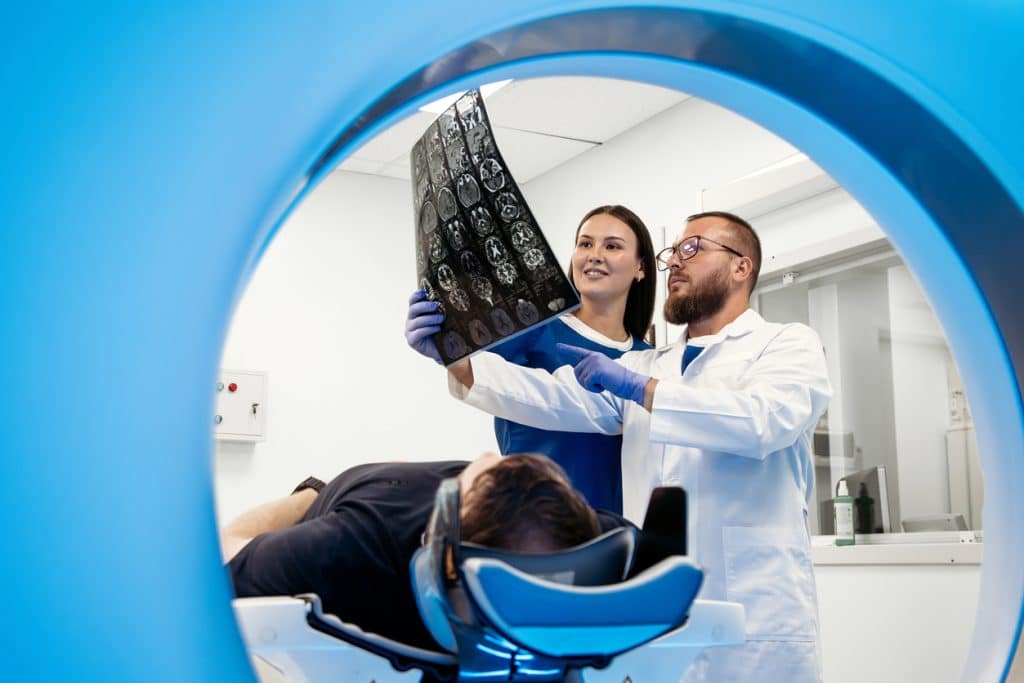
A CT scan is typically quick and straightforward. You’ll lie on a table that slides into a large, doughnut-shaped machine. The scanner rotates around you, capturing images from multiple angles.
During the scan:
- You’ll need to lie still to ensure clear images
- You may be asked to hold your breath briefly
- The process is painless and non-invasive
In some cases, a contrast dye is used to highlight certain areas of the body. This may be given orally or through an IV.
Most CT scans are completed within minutes, making them a common choice when fast results are needed.
What Happens During an MRI?
An MRI can feel a little different, especially if it’s your first time.
You’ll lie on a table that slides into a tunnel-like machine. Unlike a CT scan, the MRI machine surrounds your body more completely.
During the exam:
- You’ll need to stay still for longer periods
- You may hear loud tapping or thumping noises
- You’ll be given ear protection for comfort
- You can communicate with the technologist at any time
Some MRIs also use contrast dye to improve image clarity.
The most important part is staying relaxed and still, so the images come out clearly.
CT Scan vs MRI: Which One Do You Need?
If both tests provide images, you might wonder why one is chosen over the other.
When comparing CT scan vs MRI, the decision depends on several factors:
- The part of the body being examined
- The type of condition suspected
- How quickly results are needed
- Your medical history
For example, CT scans are often used in emergencies because they are fast and widely available. MRIs are more detailed for soft tissues but take longer.
Your provider will recommend the option that gives the most accurate information for your situation.
How Long Does an MRI Take?
Time is one of the biggest concerns for patients.
Most MRI exams last between 30 and 60 minutes, depending on the area being scanned. Some may be shorter, while more complex imaging can take longer.
While that may feel like a long time, the technologist will guide you through each step, and many patients find the experience easier than expected once they settle in.
Is an MRI Safe?
Safety is a common concern, especially when it comes to imaging.
MRIs are considered very safe since they do not use radiation. Instead, they rely on magnetic fields and radio waves, which are considered safe for most patients.
However, because of the strong magnet, it’s important to inform your provider if you have:
- Metal implants
- Pacemakers
- Certain medical devices
Your care team will review your history to ensure the test is appropriate and safe for you.
Is a CT Scan Safe?
While CT scans do use a small amount of radiation, the levels are carefully controlled and considered safe for most patients when medically necessary.
The benefits of accurate diagnosis usually outweigh the minimal risks, especially when the imaging helps detect serious conditions or guide treatment.
At well-respected hospitals and clinics like UAB Medical West, imaging protocols use the lowest radiation dose possible while still producing high-quality images.
How Should You Prepare for Your Imaging Appointment?
Preparation depends on the type of scan you’re having.
For many CT scans and MRIs:
- You may be asked to avoid eating or drinking beforehand
- You should wear comfortable clothing without metal
- You may need to remove jewelry or accessories
If contrast dye is used, you may receive additional instructions.
Your care team will provide clear guidance ahead of your appointment so you know exactly what to expect.
When Will You Get Your Results?
After your scan, a radiologist will review the images and send a report to your provider.
In most cases:
- Results are available within a few days
- Your provider will contact you to discuss the findings
- Follow-up tests or treatment may be recommended if needed
Waiting for results can be stressful, but these scans play an important role in giving your care team the information they need to move forward.
Imaging That Helps You Move Forward
Whether it’s a CT scan or an MRI, these tests are designed to provide answers.
They help detect problems early, guide treatment decisions, and give both patients and providers a clearer understanding of what’s happening inside the body.
If you’ve been scheduled for imaging, knowing what to expect can help you feel more prepared and at ease. And in many cases, that peace of mind is just as important as the results themselves.
Professional Diagnostic Imaging at UAB Medical West
At UAB Medical West, diagnostic imaging services in Bessemer and across Jefferson County are focused on accuracy, safety, and patient comfort. From advanced technology to experienced imaging specialists, the goal is to make the process as smooth and reassuring as possible.
Reach out to our team with any questions or to schedule your imaging appointment today.