

Every September, National Neonatal Nurses Week gives families and hospitals a chance to recognize the nurses who care for newborns during some of the most delicate days of their lives.
For most families, a healthy newborn moves straight from delivery to a standard nursery. Some babies need a little more support after birth, whether that means help regulating their temperature, extra monitoring for low blood sugar, or time getting the hang of feeding.
That is where Level II nursery care comes in.
At UAB Medical West, our Level II Specialty Care Nursery gives these newborns close monitoring and specialized support without families having to leave Bessemer.
Level II Nursery Care At a Glance
- Level II nursery care, also called a special care nursery, supports newborns who need extra monitoring but not full intensive care.
- Common needs include prematurity, feeding support, temperature regulation, low blood sugar, and mild breathing concerns.
- A special care nursery differs from a NICU (Level III), which manages the most critically ill or extremely premature infants.
- September 12 through 18 is National Neonatal Nurses Week, honoring the nurses who care for newborns like these every day.
What Is a Level II Nursery?
Hospitals sort newborn nurseries into levels based on how much extra care they’re set up to give. A Level I nursery is the standard nursery for healthy, full-term babies. Level II, sometimes called a special care nursery, is for babies who need a little more help and closer watching, but are not critically ill.
Most babies in a Level II nursery are born at 32 weeks or later and weigh at least 3.3 pounds (about 1,500 grams). They may just need some extra time, and a dedicated team is right there for it: neonatologists, specially trained nurses, neonatal nurse practitioners, and lactation support if you’re breastfeeding. You can read more about how the American Academy of Pediatrics defines these nursery levels if you still have questions.
What Kind of Neonatal Care for Newborns Happens in a Level II Nursery?
Babies in a Level II nursery are usually there for one of a few common, treatable reasons:
- Prematurity, for babies born early who need time and support to catch up
- Feeding support, including help learning to nurse or bottle-feed, or a feeding tube for a little while
- Help staying warm, since smaller or premature babies often can’t regulate their own body temperature yet
- Low blood sugar, which is common in premature babies and babies born larger than average, is closely watched
- Breathing that needs a closer watch, but not a ventilator
Most babies in a Level II nursery stay for days or a couple of weeks, not months. Many are able to stay in the room with their parents once they don’t need as much watching.
How Does Newborn Breathing Support After Birth Work in a Level II Nursery?
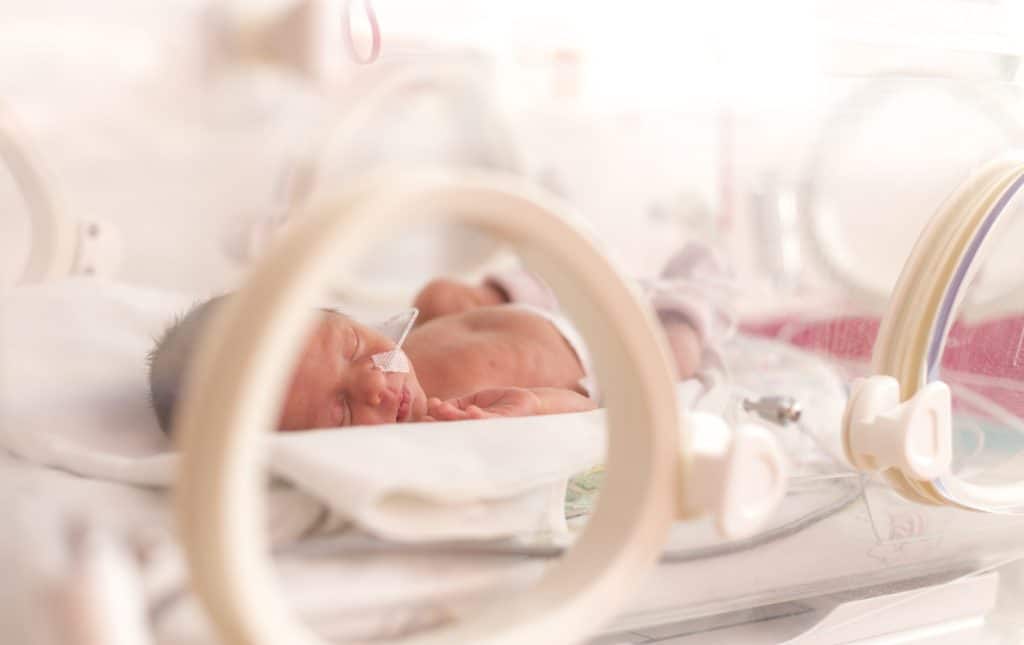
If your baby needs help breathing in a Level II nursery, it usually does not involve a ventilator. It might mean a little extra oxygen, a small CPAP machine that gently helps keep the airway open, or simply close monitoring to track oxygen levels and breathing patterns.
Babies who need a ventilator or more intensive breathing support need a higher level of care than a Level II nursery provides. The nursing team watches closely for this and moves quickly if a baby needs more help than the unit can give.
Special Care Nursery vs NICU: What’s the Difference?
The simplest way to think about special care nursery vs NICU is how sick or how early a baby is. A special care nursery, or Level II, is for babies who are premature or mildly ill, but stable. A NICU, or Level III, is for babies who are critically ill, extremely premature, or need surgery or more advanced life support.
If your baby needs more than a Level II nursery can offer, the care team arranges a transfer to a hospital equipped to give that level of care. That decision is made quickly, with one goal in mind: making sure your baby gets exactly the care they need.
Level II Nursery Care at UAB Medical West
The Level II Specialty Care Nursery at UAB Medical West has 8 beds plus an isolation bed, and cares for babies born at 32 weeks or later, weighing at least 3.3 pounds. The team includes 6 neonatologists, neonatal nurse practitioners, and nurses with NICU-level training, plus lactation support if you’re breastfeeding.
That means many babies who need extra help after birth can stay close to home in Bessemer, cared for by a team that knows exactly what this kind of support looks like.
You Are Not Alone in This
Needing time in a special care nursery is not a reflection of anything you did or did not do. Many healthy pregnancies still end with a baby who needs a few extra days of watching, and it is one of the most common reasons babies stay in the hospital a little longer.
Your care team keeps you close throughout the stay. Skin-to-skin time, feeding, and bonding are still part of your day, whenever it is safe for your baby.
Honoring Neonatal Nurses This Week
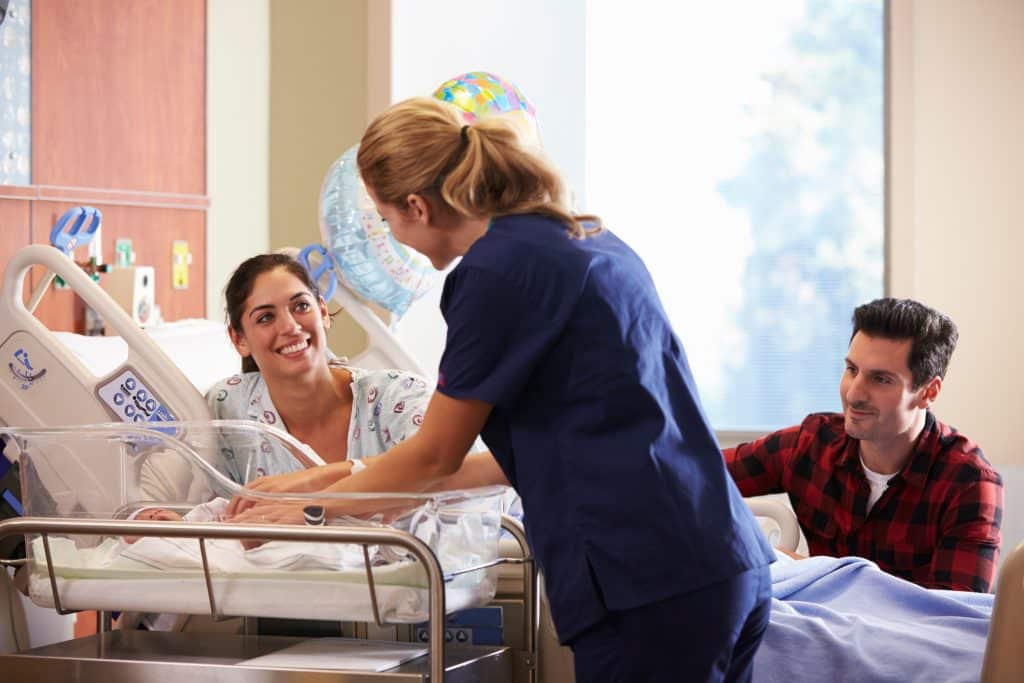
National Neonatal Nurses Week, September 12 through 18, is a chance to thank the neonatal nurses and newborn care teams who staff nurseries like this one around the clock. Their work often happens quietly: checking vitals, adjusting feeds, and reassuring parents through some of the most stressful days of their lives.
If your family has been supported by a neonatal nurse, this week is a good time to say thank you.
Learn More About Newborn Care at UAB Medical West
If you are expecting or want to understand what extra support after birth might look like, our Women’s Services and Level II Nursery team is here for families in Bessemer and West Jefferson County.
Schedule an appointment today to learn more about newborn care at UAB Medical West.