
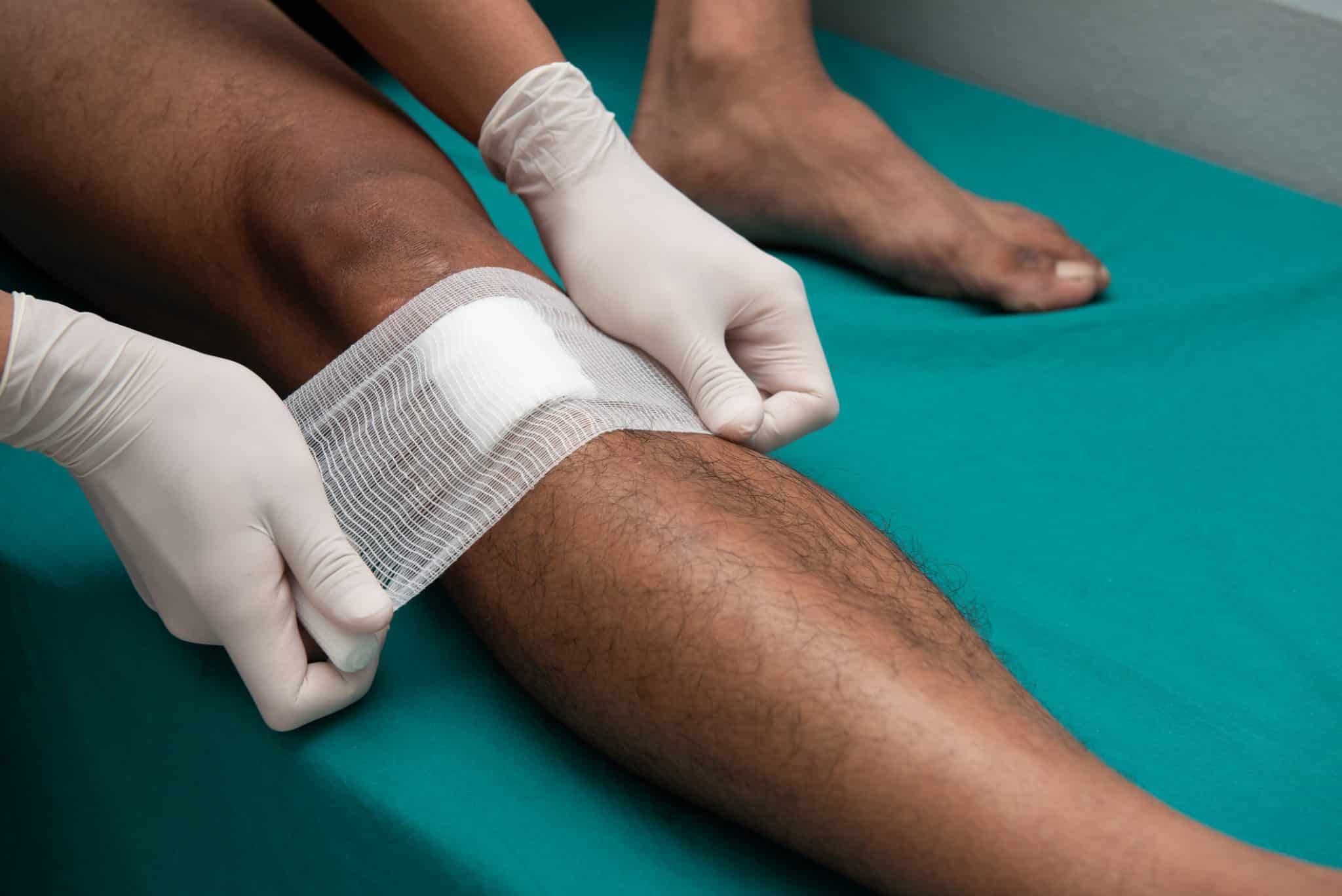
Most cuts and scrapes heal without much trouble. A few days of care, maybe a bandage or ointment, and the body does the rest.
But some wounds do not follow that pattern.
They stay open longer than expected. They become painful, swollen, or difficult to manage. Sometimes they improve briefly, only to stop healing altogether. For many patients, especially those with diabetes or circulation issues, a slow-healing wound can become more than frustrating. It can become serious.
That is where specialized wound care can make a meaningful difference.
At UAB Medical West, wound care specialists help patients manage wounds that require more advanced care, promoting healing while preventing infection and complications.
Wound Care At a Glance
- Wounds that do not improve within a few weeks may require specialized medical care.
- Diabetes, poor circulation, and infection are common reasons wounds heal slowly.
- Advanced wound care treatments can help improve healing and reduce complications.
- Early treatment is important to help prevent serious infections and tissue damage.
Why Some Wounds Heal Slowly
The human body has evolved to heal itself, but certain conditions can interfere with that process.
A wound may heal slowly because of:
- Diabetes
- Poor circulation
- Infection
- Pressure injuries
- Smoking
- Immune system disorders
- Swelling or inflammation
In some cases, multiple factors are involved at the same time.
For example, diabetes can reduce circulation and nerve sensation, making it harder for wounds to heal and easier for injuries to go unnoticed. Poor blood flow can also limit the oxygen and nutrients needed for tissue repair.
Understanding the root cause is one of the most important steps in effective wound treatment.
What Is a Wound Care Clinic?
Many patients are unfamiliar with specialized wound care until they need it.
So, what is a wound care clinic?
A wound care clinic is a medical specialty service focused on evaluating and treating wounds that are difficult to heal. These clinics provide advanced therapies, ongoing monitoring, and personalized treatment plans for patients with chronic or complex wounds.
At UAB Medical West’s Wound Center, our specialists evaluate the wound itself and identify underlying conditions that may be slowing healing.
The goal is not just to treat the surface of the wound, but to improve the body’s ability to heal overall.
When to See a Wound Care Specialist
Many people wait too long before seeking specialized care.
Knowing when to see a wound care specialist can help prevent complications and improve healing outcomes.
You should consider evaluation if:
- A wound has not improved after several weeks
- The area becomes red, swollen, or warm
- There is drainage or odor
- Pain is worsening instead of improving
- The wound repeatedly opens back up
- You have diabetes or circulation problems
Early intervention matters. Small wounds can become much more serious if infection develops or tissue damage progresses.
What Types of Wounds Need Specialized Care?
Wound care clinics commonly treat:
- Diabetic foot ulcers
- Pressure injuries, also called bed sores
- Surgical wounds that are not healing properly
- Venous or arterial ulcers caused by circulation issues
- Traumatic wounds
- Burns
- Infected wounds
Some wounds may look minor on the surface, while deeper tissue damage is developing beneath. That is why ongoing monitoring and professional evaluation can be so important.
What Happens During a Wound Care Appointment?
The first visit usually begins with a comprehensive evaluation.
This may include:
- Measuring and examining the wound
- Reviewing medical history and medications
- Assessing circulation and blood flow
- Looking for signs of infection
- Evaluating factors affecting healing, such as diabetes or swelling
The wound care team then develops a treatment plan tailored to the patient’s specific needs. Care plans support healing while helping patients maintain comfort, mobility, and overall quality of life.
Advanced Slow Healing Wound Treatment Options
Many chronic wounds require more than standard bandaging.
Advanced slow-healing wound therapies may include:
- Specialized dressings
- Debridement, which removes damaged tissue
- Compression therapy for circulation problems
- Infection management
- Total contact casting to help offload foot wounds
- Negative pressure wound therapy
These treatments are designed to create the best possible environment for healing.
Treatment is often ongoing and adjusted based on how the wound responds over time.
Diabetic Wound Care Options and Why They Matter
Diabetes is one of the leading causes of chronic wounds, especially in the feet and lower legs.
Proper diabetic wound care options are critical because diabetes can:
- Reduce blood flow
- Delay healing
- Increase infection risk
- Cause nerve damage that limits sensation
Patients may not realize they have a wound until it becomes severe.
Routine foot checks, proper footwear, blood sugar management, and early treatment all play important roles in preventing complications. Wound care specialists often work closely with diabetic patients to help protect tissue health, improve circulation, and support healing before problems become more advanced.
How Chronic Wound Treatment Helps Prevent Complications
One of the biggest reasons specialized wound care matters is its role in prevention.
Without proper treatment, chronic wounds can lead to:
- Serious infections
- Tissue loss
- Hospitalization
- Reduced mobility
- Long-term pain
Chronic wound treatment focuses on reducing these risks while supporting faster and healthier healing.
The earlier treatment begins, the better the chances of avoiding more serious complications.
The Emotional Side of Chronic Wounds
Living with a slow-healing wound can affect more than physical health.
Many patients experience:
- Frustration
- Anxiety about infection or worsening symptoms
- Difficulty staying active
- Disrupted sleep
- Reduced independence
Wounds that linger for months can take a real emotional toll.
That is why compassionate care matters. Patients need more than treatment. They need support, education, and reassurance throughout the healing process.
Healing Often Takes a Team Approach
Successful wound care often involves multiple specialties working together.
Depending on the underlying cause, treatment may involve:
- Primary care providers
- Endocrinologists
- Vascular specialists
- Infectious disease providers
- Surgeons
- Physical therapists
Coordinated care allows patients to receive comprehensive treatment that addresses both the wound itself and the underlying health conditions contributing to delayed healing.
Don’t Ignore a Wound That Isn’t Healing
A wound that will not heal is not something you should simply “wait out.”
Even wounds that seem small can become more serious over time, especially when circulation, diabetes, or infection are involved. The good news is that many chronic wounds improve significantly with specialized care and early intervention.
Sometimes the most important step toward healing is simply getting the right team involved early.
Get Expert Care for Slow-Healing Wounds at UAB Medical West
If you have a wound that is not improving, getting specialized care early can help prevent infection and support faster healing. The Wound Care Center at UAB Medical West provides advanced treatment options for patients.
Schedule an evaluation today to take the next step toward healing and recovery.