
If your doctor has recommended an endoscopy or colonoscopy, you probably have questions.
What exactly happens during the procedure? Will it be uncomfortable, either during or after? How long does it take? And perhaps most importantly, why is it necessary in the first place?
These are some of the most common questions gastroenterologists hear from patients. The good news is that both procedures are routine, highly effective diagnostic tools that help identify digestive conditions, investigate symptoms, and detect certain cancers at their earliest and most treatable stages.
Understanding what to expect can help ease anxiety and make the process feel much more manageable.
Endoscopies & Colonoscopies At a Glance
- Endoscopies and colonoscopies allow doctors to examine different parts of the digestive tract without surgery.
- Both procedures are typically performed with sedation to help patients remain comfortable.
- Colonoscopies can help prevent colorectal cancer by identifying and removing precancerous polyps.
- Most patients return home the same day and resume normal activities shortly afterward.
What Is an Endoscopy?
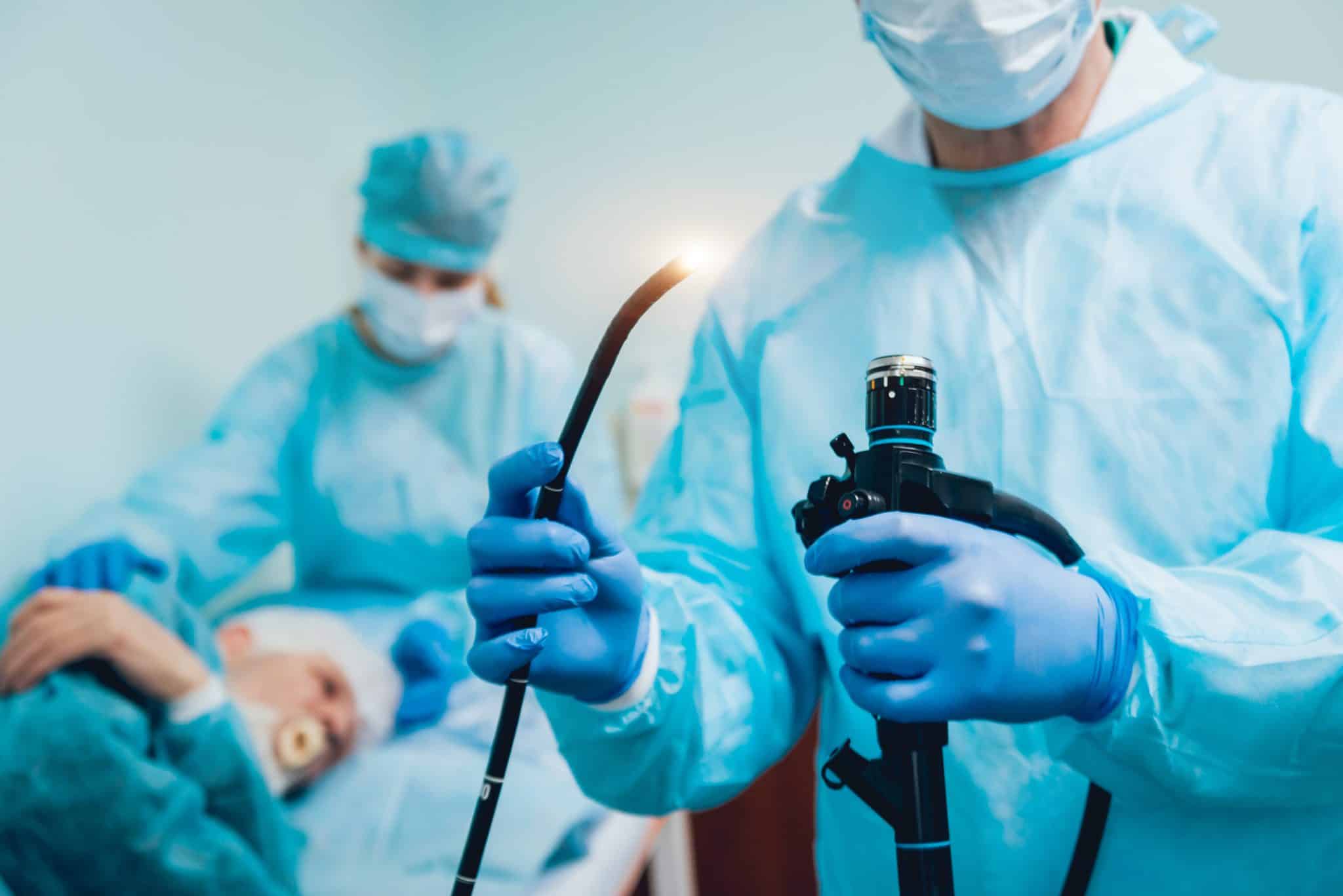
An endoscopy is a procedure that allows a gastroenterologist to examine the upper digestive tract using a thin, flexible tube equipped with a camera and light. The scope is passed gently through the mouth to view the esophagus, stomach, and the first part of the small intestine.
An endoscopy may be recommended to address persistent stomach problems, such as:
- Persistent heartburn or acid reflux
- Difficulty swallowing
- Chronic nausea or vomiting
- Unexplained abdominal pain
- Gastrointestinal bleeding
- Ongoing indigestion
The procedure allows providers to diagnose conditions such as ulcers, inflammation, Barrett’s esophagus, celiac disease, and other digestive disorders.
Colonoscopy vs Endoscopy: What’s the Difference?
Patients often hear both terms and assume they’re similar procedures.
While they use similar technology, the key difference between a colonoscopy vs endoscopy is the area of the digestive system being examined.
Endoscopy
Examines:
- Esophagus
- Stomach
- Upper small intestine
Colonoscopy
Examines:
- Colon (large intestine)
- Rectum
A colonoscopy is most commonly used to investigate bowel symptoms and screen for colorectal cancer, while an endoscopy focuses on symptoms affecting the upper digestive tract.
Your doctor may recommend one procedure or, in some cases, both, depending on your symptoms and medical history.
What Happens During a Colonoscopy?
For many patients, this is the biggest question.
During the procedure, a gastroenterologist uses a thin, flexible tube called a colonoscope to examine the lining of the colon and rectum. The scope contains a camera that sends images to a monitor, allowing the physician to identify abnormalities such as inflammation, bleeding, or polyps.
The procedure is performed while patients are sedated, helping them remain comfortable and relaxed throughout the exam.
One of the reasons colonoscopy is such a powerful screening tool is that it can both detect and prevent colorectal cancer by identifying and removing precancerous growths before they become cancerous.
How to Prepare for a Colonoscopy
When patients talk about colonoscopy, the preparation is often what concerns them most.
Understanding how to prepare for a colonoscopy can make the experience much smoother.
Preparation typically includes:
- Following a special diet the day before the procedure
- Drinking a prescribed bowel preparation solution
- Staying hydrated
- Following all instructions provided by your healthcare team
The goal is to completely clear the colon so the physician can obtain the clearest possible view.
While the preparation isn’t anyone’s favorite part, it plays a critical role in accurate results and reducing the need for repeat procedures.
Is a Colonoscopy Painful?
For most patients, the answer is no, not at all.
The procedure is typically performed under sedation, and many patients remember little or nothing about the exam afterward. Some mild bloating or gas may occur after the procedure due to the air used to expand the colon during imaging, but significant pain is uncommon.
In fact, many patients report that the anticipation was far worse than the actual experience.
How Long Does a Colonoscopy Take?
Another common concern is scheduling and time away from work or family responsibilities.
So, how long does a colonoscopy take?
The procedure itself usually takes between 20 and 30 minutes, although patients should plan to spend a few hours at the facility due to preparation, sedation, and recovery time.
Because sedation is used, patients will need someone to drive them home afterward.
Most people return to their normal activities the following day.
What Happens During an Endoscopy?
Like a colonoscopy, an endoscopy is generally performed as an outpatient procedure.
After receiving sedation, the physician carefully guides the endoscope through the mouth and into the upper digestive tract. The camera provides detailed images that can help identify inflammation, ulcers, bleeding, or other abnormalities.
If needed, small tissue samples can be collected during the procedure for additional testing.
The procedure itself is usually completed within 15 to 30 minutes, and patients recover in a monitored area before being discharged home.
Most people experience little to no discomfort following the procedure.
Why These Procedures Are So Important
Many digestive conditions develop gradually and may not cause obvious symptoms right away.
That is one reason endoscopy and colonoscopy are so valuable.
These procedures help physicians:
- Investigate unexplained symptoms
- Diagnose digestive disorders
- Monitor chronic conditions
- Detect gastrointestinal cancers early
- Remove potentially dangerous polyps
Early detection often leads to more treatment options, less invasive interventions, and better long-term outcomes.
For colorectal cancer in particular, routine screening remains one of the most effective tools for prevention and early diagnosis.
When Might Your Doctor Recommend One?
Your provider may recommend an endoscopy or colonoscopy if you experience symptoms such as:
- Persistent heartburn
- Difficulty swallowing
- Chronic abdominal pain
- Changes in bowel habits
- Rectal bleeding
- Unexplained weight loss
- Ongoing diarrhea or constipation
- Family history of gastrointestinal disease or colorectal cancer
Even if you feel healthy, routine screening may still be recommended based on your age and risk factors.
Don’t Let Fear Keep You From Getting Answers
It is completely normal to feel nervous before any medical procedure.
But for many patients, learning what to expect removes much of that uncertainty. Both endoscopies and colonoscopies are commonly performed, highly effective procedures that provide valuable information about your digestive health.
Whether you’re experiencing symptoms or simply staying current with recommended screenings, these procedures can provide clarity, reassurance, and potentially life-saving early detection.
Schedule Your Gastroenterology Appointment Today
If you’re experiencing ongoing digestive symptoms or are due for a recommended screening, getting answers early can make a meaningful difference.
The Gastroenterology team at UAB Medical West provides endoscopy, colonoscopy, and comprehensive digestive care for patients in Bessemer, Hoover, and across West Jefferson County. Schedule an appointment today to take the next step toward better digestive health.