
Diabetes At a Glance
- More than 40 million Americans have diabetes, and more than 1 in 4 of them don’t know it.
- Common warning signs include extra thirst, frequent urination, fatigue, blurry vision, and cuts that heal slowly.
- The American Diabetes Association recommends screening for all adults by age 35, and earlier for people with risk factors.
- A simple blood test can catch diabetes or prediabetes before symptoms appear.
You’re refilling your water glass more than usual. You’re up twice a night to use the bathroom. A small cut on your foot has been hanging around for weeks.
On their own, these are easy to brush off. Together, they could be your body’s way of flagging high blood sugar.
November is National Diabetes Month, a good time to learn the diabetes warning signs and know when to get checked. Diabetes is common, often quiet in its early stages, and very manageable when it’s caught early. At UAB Medical West, our primary care team helps patients spot it sooner and stay ahead of it.
Why Diabetes Often Goes Unnoticed
Type 2 diabetes tends to develop slowly. Blood sugar creeps up over months or years, and the body adjusts along the way, so symptoms can be mild or missing entirely.
That’s why so many cases go undiagnosed. According to the CDC, about 40.1 million people in the U.S. have diabetes, and more than a quarter of adults with it haven’t been diagnosed. Prediabetes is even easier to miss. More than 115 million American adults have it, and 8 in 10 don’t know.
The upside is that prediabetes can often be reversed, and type 2 diabetes can be delayed or prevented with the right changes. Catching it early gives you the most options.
Early Signs of Type 2 Diabetes
The early signs of type 2 diabetes are often subtle, and many people chalk them up to stress, age, or a busy schedule. Pay attention if you notice:
- Feeling thirsty all the time
- Urinating more often, especially at night
- Feeling tired even after a full night’s sleep
- Blurry vision that comes and goes
- Being hungrier than usual
- Unexplained weight changes
- Tingling or numbness in your hands or feet
- Frequent skin, gum, or bladder infections
- Patches of darker skin, often on the neck or underarms
One of these alone doesn’t mean you have diabetes. But if several sound familiar, it’s worth a conversation with your provider.
Symptoms of High Blood Sugar to Take Seriously
Most symptoms of high blood sugar build slowly. Occasionally, though, blood sugar climbs high enough to cause a dangerous condition that needs immediate care.
Get emergency help if you or someone you love has very high blood sugar along with:
- Nausea, vomiting, or belly pain
- Fast, deep breathing or fruity-smelling breath
- Confusion or unusual drowsiness
- Signs of dehydration, like a very dry mouth or dizziness
Call 911 for any medical emergency. UAB Medical West’s main campus Emergency Department in Bessemer and our Freestanding Emergency Department in Hoover are both open 24/7.
Diabetes and Slow Healing Wounds
The link between diabetes and slow-healing wounds surprises a lot of people. Over time, high blood sugar can narrow blood vessels and damage nerves, especially in the feet and lower legs.
Less blood flow means wounds get fewer of the nutrients they need to heal. Nerve damage can make it hard to feel a blister or cut in the first place, so a small injury can go unnoticed until it’s infected.
If you have diabetes, check your feet daily and let your provider know about any sore that isn’t improving within a couple of weeks. Our Wound Care Center treats stubborn wounds and works with your care team to help prevent bigger problems.
When to Get Tested for Diabetes
You don’t need symptoms to get screened. In fact, testing is most valuable before symptoms show up.
Here’s a simple guide for when to get tested for diabetes:
- Everyone by age 35. If results are normal, repeat at least every three years.
- Earlier, at any age, if you are overweight or obese, plus at least one other risk factor.
- Every year, if you’ve already been told you have prediabetes.
- Sooner if you notice warning signs or your risk changes, like weight gain.
Common risk factors include a parent or sibling with type 2 diabetes, high blood pressure, low physical activity, a history of gestational diabetes, and heart disease. Your provider can help you sort out where you fall.
What to Expect From a Diabetes Screening Test
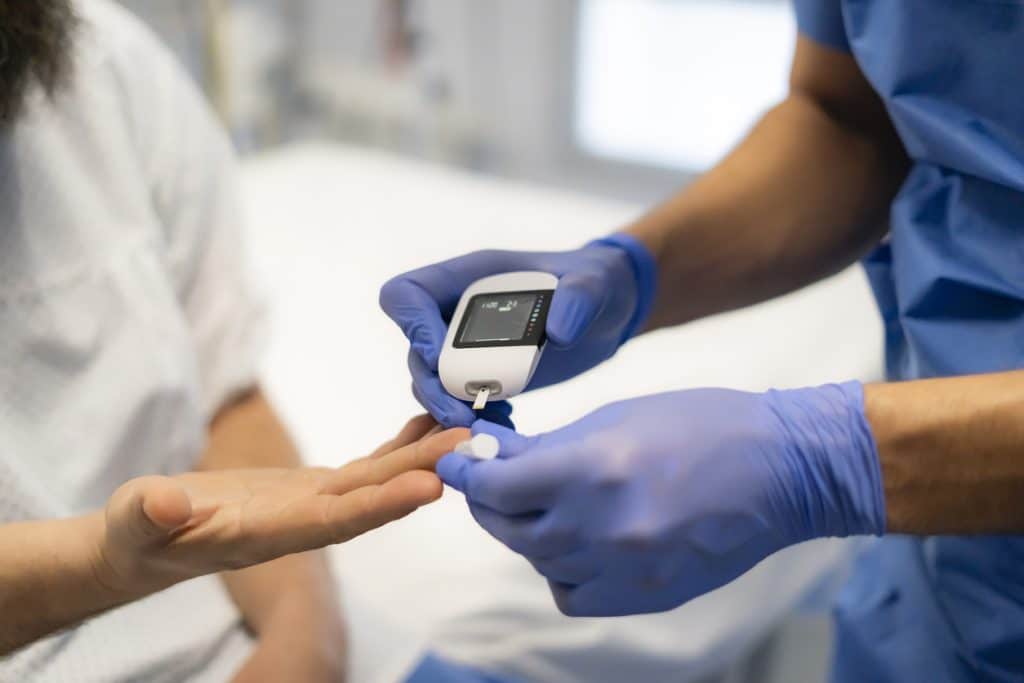
A diabetes screening test is usually a quick blood draw that can be done during a routine visit. Your provider may order one of these:
- A1C test: Shows your average blood sugar over the past two to three months. No fasting needed.
- Fasting blood glucose test: Measures your blood sugar after not eating for at least eight hours.
- Oral glucose tolerance test: Checks how your body handles sugar over a couple of hours after a sweet drink.
If results land in the prediabetes or diabetes range, your provider will walk you through what the numbers mean and what comes next.
Building a Care Team for the Long Haul
A diagnosis is a starting point. Most people manage diabetes well with steady follow-up and the right mix of support.
Your primary care provider is usually your home base, handling regular A1C checks, medications, and preventive screenings for your eyes, kidneys, and feet. If your blood sugar is hard to control, you may be referred to an endocrinologist. UAB Medicine’s endocrinology clinic is located right on our Bessemer campus. Nutrition matters too, and our post on managing diabetes with nutrition is a good place to start.
Diabetes is a long game, but it’s one you can win with the right people in your corner.
Talk to a Provider About Your Blood Sugar
Our primary care providers offer diabetes screening, ongoing management, and coordinated care with specialists for patients in Bessemer, Hoover, and across West Jefferson County.
If any of these warning signs sound familiar, or it’s been a while since your last checkup, we’d love to see you.