

It usually starts with one person. A kid comes home from school with a cough, and by the weekend, half the house is on the couch with a fever.
Flu season has a way of sneaking up on busy families. A few simple habits started now go a long way toward keeping everyone healthy through the winter.
These flu prevention tips cover when to get vaccinated, how to cut down on spread at home, how to tell the flu from a cold, and when it’s time to call a doctor or head to the ER.
Flu Prevention at a Glance
- The CDC recommends a yearly flu shot for almost everyone 6 months and older, ideally in September or October.
- Handwashing, staying home when sick, and covering coughs all help slow the spread.
- The flu usually hits suddenly with fever and body aches, while a cold builds gradually and stays milder.
- Trouble breathing, chest pain, confusion, or symptoms that improve and then return worse need emergency care. Call 911 in an emergency.
When Should You Get a Flu Shot?
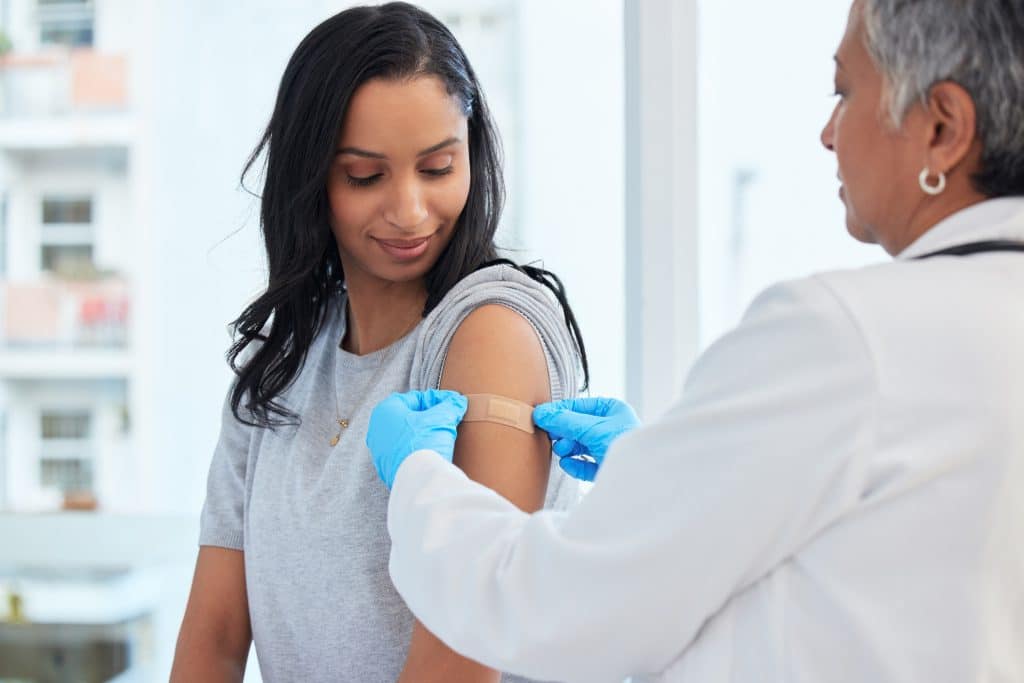
For most people, the best time is September or October. The CDC recommends getting vaccinated by the end of October when you can, since your body needs about two weeks to build protection, and flu activity usually peaks between December and February.
Missed that window? Get it anyway. A flu shot still helps as long as the virus is circulating, which can stretch into spring.
A few notes worth knowing:
- This season’s vaccine has been updated for all three virus strains, so last year’s shot doesn’t carry over.
- Some children getting their first flu vaccine need two doses, at least four weeks apart, so starting early helps.
- Adults 65 and older can ask about vaccines designed specifically for older adults, which the CDC prefers for that age group.
- Pregnant women can safely get a flu shot during any trimester.
Your primary care provider can help you sort out which vaccine fits each person in your family.
How to Prevent the Flu Beyond the Vaccine
The flu shot is your strongest defense, but it works best alongside everyday habits. If you’re wondering how to prevent the flu at home, start here:
- Wash your hands often. Use soap and water for at least 20 seconds, especially before eating and after being in public.
- Cover coughs and sneezes. Use a tissue or your elbow, then wash your hands.
- Stay home when you’re sick. Wait until you’ve been fever-free for at least 24 hours without medicine, and your symptoms are improving.
- Wipe down shared surfaces. Doorknobs, remotes, phones, and light switches pick up germs fast.
- Take care of the basics. Good sleep, regular meals, and staying active help your immune system.
Protecting High-Risk Loved Ones
For most healthy adults, the flu means a miserable week. For others, it can lead to pneumonia, a hospital stay, or a flare-up of an existing condition.
People at higher risk for serious complications include adults 65 and older, pregnant women, children under 5 (especially those under 2), and anyone living with asthma, diabetes, or heart disease.
If someone you love falls into one of those groups, your own flu shot does double duty. Babies under 6 months are too young to be vaccinated, so they rely on the grandparents, parents, siblings, and caregivers around them to get theirs.
Flu Symptoms vs Cold Symptoms: How to Tell the Difference
Both are respiratory illnesses, and they can feel alike at first. The biggest clue is how fast symptoms show up and how hard they hit.
| Symptom | Flu | Common Cold |
| Onset | Sudden, often within hours | Gradual, over a day or two |
| Fever | Common, often high | Rare or mild |
| Body aches | Common and often severe | Mild, if any |
| Fatigue | Can be intense and last weeks | Mild |
| Stuffy or runny nose | Sometimes | Common |
| Sore throat | Sometimes | Common |
A rough rule: if you feel like you got hit by a truck, it’s more likely the flu. If you’re sniffly but still functioning, it’s probably a cold. A provider can confirm with a quick test.
When to See a Doctor for the Flu
Most healthy people recover from the flu at home with rest and fluids. Knowing when to see a doctor for the flu comes down to two things: your risk level and how your symptoms are trending.
Call your provider if:
- You or your child is in a high-risk group and flu symptoms start
- Symptoms haven’t improved after several days
- A fever lasts more than three or four days
- You’re having trouble keeping fluids down
- You’re simply worried about how sick someone seems
Timing matters. Antiviral medications work best when started within the first two days of symptoms, so an early call can shorten the illness and ease its severity. Not sure where to go? Our post on ER vs urgent care breaks it down.

Flu Symptoms That Need Emergency Care
Some symptoms mean it’s time to skip the phone call and get help right away. These emergency warning signs come straight from the CDC.
In adults:
- Trouble breathing or shortness of breath
- Ongoing pain or pressure in the chest or belly
- Dizziness, confusion, or trouble waking up
- Seizures
- Severe weakness or muscle pain
- Not urinating
- Fever or cough that improves, then comes back worse
In children:
- Fast breathing or working hard to breathe
- Bluish lips or face
- Ribs pulling in with each breath
- Signs of dehydration, like no tears when crying or no wet diaper for 8 hours
- Not alert or not interacting when awake
- Any fever in a baby younger than 12 weeks
UAB Medical West’s main campus Emergency Department in Bessemer and our Freestanding Emergency Department in Hoover are both open 24/7.
A Little Planning Now Pays Off All Winter
Flu season doesn’t have to take over your household. A flu shot this month, a few steady habits, and knowing which symptoms to watch for give your family a real head start. If it’s been a while since your last checkup, a fall visit is a good time to get your vaccine and ask questions.
Get Ready for Flu Season with UAB Medical West
Our primary care providers offer flu shots, sick visits, and preventive care for families in Bessemer, Hoover, and across West Jefferson County.
When you’re ready, schedule your visit and head into flu season with one less thing to worry about.
If you’re experiencing a medical emergency, call 911 immediately.