
Important Mammogram Information
- Mammograms are recommended starting at age 40 for most women at average risk.
- The exam is quick, typically taking about 15–20 minutes, with only brief compression.
- 3D mammography improves detection, especially for women with dense breast tissue.
- Mammograms can detect breast cancer early, often before symptoms appear, improving treatment outcomes.
For many women, scheduling a mammogram sits somewhere between “important” and “easy to put off.”
It’s not unusual to feel unsure about what to expect, whether it will be uncomfortable, or even whether you need one yet. And if you’ve never had a mammogram before, the unknown can make it feel like a bigger step than it really is.
But here’s the reality. A mammogram is one of the most effective tools we have for detecting breast cancer early, often before symptoms appear. And early detection can make all the difference.
At UAB Medical West, mammography is approached with both precision and compassion. The goal is simple: provide clear answers while making the experience as comfortable and reassuring as possible.
When Should You Get a Mammogram?
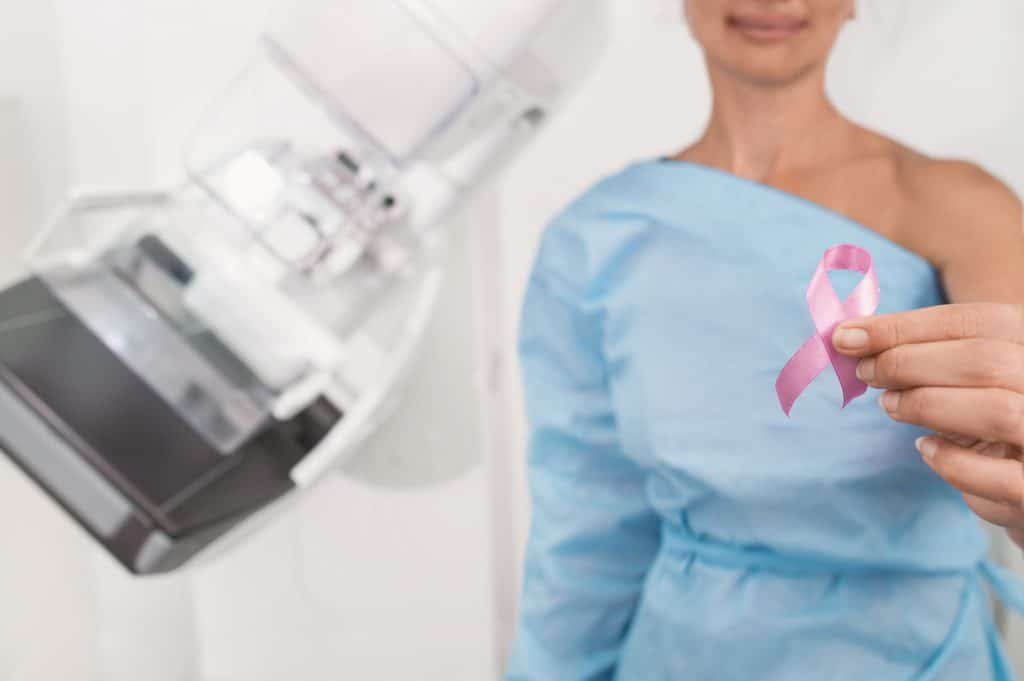
For women at average risk, most medical organizations recommend starting annual screening at age 40. This allows providers to establish a baseline and begin monitoring for any changes over time.
However, screening is not one-size-fits-all. Your personal timeline may look different if you have:
- A family history of breast cancer
- Genetic risk factors
- A history of breast abnormalities
- Dense breast tissue
In these cases, your provider may recommend earlier or more frequent screening.
Our breast cancer imaging specialists work closely with primary care and women’s health providers to determine the right screening plan based on your individual risk, not just your age.
Understanding Mammogram Screening Guidelines by Age
Screening recommendations can feel confusing because they sometimes vary slightly depending on the organization. But the general approach is consistent.
Mammogram screening guidelines by age typically include:
- Ages 40 to 44: Option to begin annual screening
- Ages 45 to 54: Annual mammograms recommended
- Ages 55 and older: Mammograms every one to two years, depending on risk and provider guidance
These guidelines balance early detection with minimizing unnecessary testing. Your provider can help interpret these recommendations in the context of your health history.
What Happens During a Mammogram?
The process is straightforward and typically completed in a short visit.
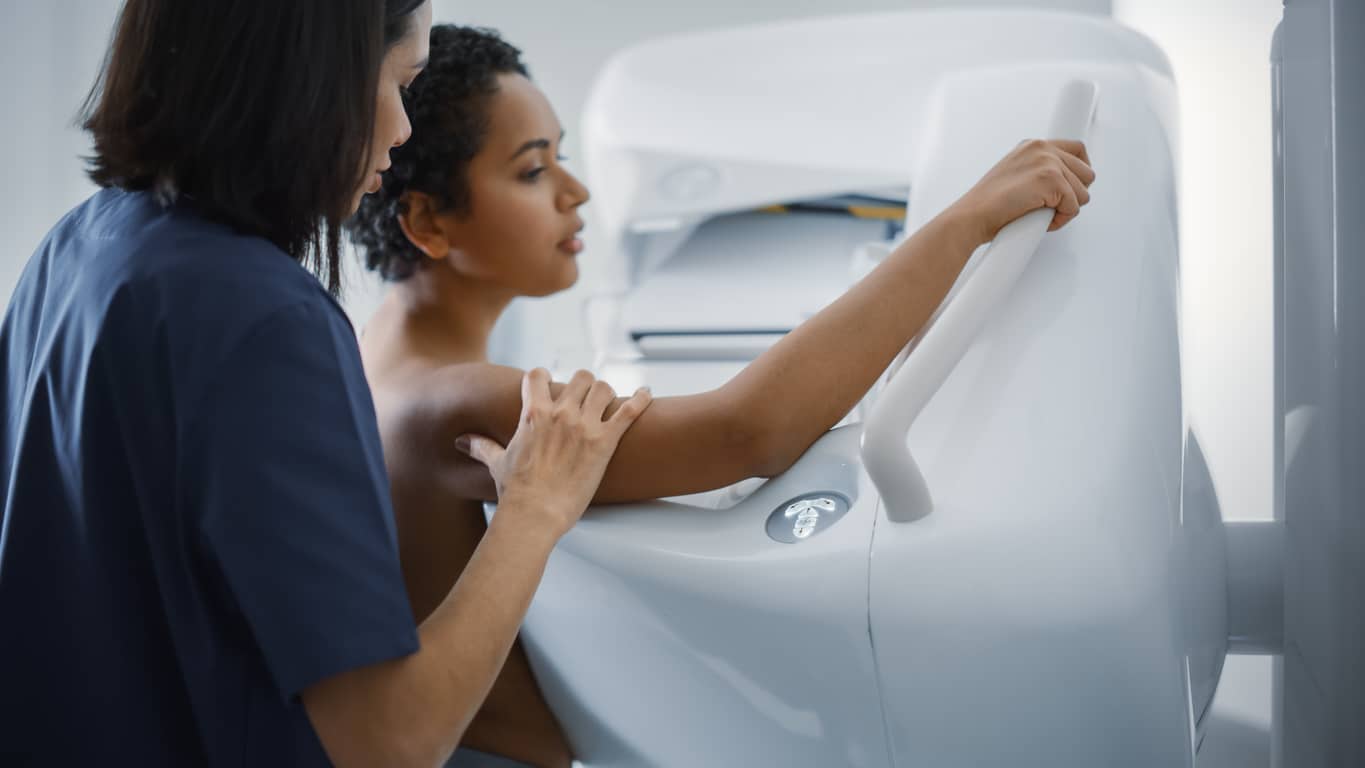
When you arrive, a technologist will guide you into the imaging room and explain each step. You will stand in front of the mammography machine while one breast at a time is positioned on a flat surface.
A second plate gently compresses the breast for a few seconds while images are taken. This compression is necessary to spread out the tissue and produce clear, detailed images.
Most exams involve a few images from different angles to ensure a complete view. The technologist will adjust positioning as needed to capture the most accurate results.
Does a Mammogram Hurt?
For most women, the exam feels like firm pressure rather than pain. The compression lasts only a few seconds for each image, and the entire process is typically over quickly.
Some women may feel more sensitive depending on factors like breast tenderness or where they are in their menstrual cycle. Scheduling your mammogram when your breasts are less tender can help reduce discomfort.
Technologists are trained to prioritize patient comfort while still obtaining high-quality images. If something feels too uncomfortable, you can always communicate that during the exam.
How Long Does a Mammogram Take?
Another common concern is time. Many patients are surprised by how quick the process is.
The imaging itself usually takes about 15 to 20 minutes. From check-in to completion, most appointments are finished within 30 minutes.
For many women, the time spent is minimal compared to the value of early detection and the peace of mind it provides.
What Happens After Your Mammogram?
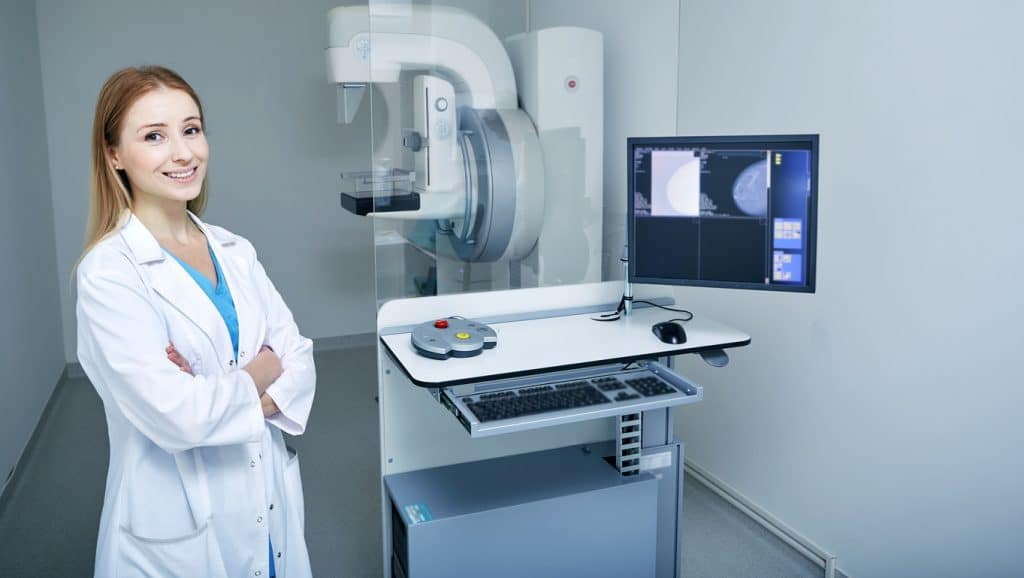
After your exam, the images are reviewed by a radiologist specializing in breast imaging.
You will receive results, often within a few days, explaining whether:
- The images are normal
- Additional imaging is recommended
- Follow-up is needed
It is important to remember that being called back for additional imaging is not uncommon. In many cases, it simply means the radiologist needs a closer look at a specific area.
At UAB Medical West, additional imaging may include diagnostic mammography, ultrasound, or breast MRI. These tools provide more detailed information and help ensure accurate results.
When Additional Imaging Is Recommended
Sometimes, a screening mammogram identifies an area that requires further evaluation.
This does not automatically mean cancer.
Additional imaging may be recommended if:
- The images are unclear or incomplete
- There is a new or unusual finding
- Dense breast tissue makes interpretation more difficult
3D mammography, also known as tomosynthesis, allows radiologists to view breast tissue in thin layers, improving visibility and reducing the chance of false positives.
We offer advanced imaging options, including 3D mammography and breast MRI, to support more precise diagnosis and patient confidence.
Why Regular Screening Matters
Breast cancer often develops without noticeable symptoms in its early stages. By the time a lump can be felt, the cancer may already be more advanced.
Mammograms can detect changes long before they can be seen or felt.
That early detection:
- Expands treatment options
- Improves survival rates
- May reduce the need for more aggressive treatment
Screening is not just about finding cancer. It is about finding it early, when it is most treatable.
Making the Appointment Feel More Manageable
If you have been putting off your mammogram, you are not alone. Many women delay screening because of fear, uncertainty, or simply a busy schedule.
Sometimes, it helps to reframe the appointment.
A mammogram is not just another task on your list. It is a proactive step that prioritizes your long-term health.
It is also quick, routine, and performed by professionals who do this every day.
If you are approaching age 40, have risk factors, or are overdue for screening, now is a good time to schedule your mammogram.
Schedule Your Mammogram Today at UAB Medical West
Women’s imaging services at UAB Medical West provide advanced screening options for patients in Bessemer and across West Jefferson County, with a focus on accuracy, early detection, and patient-centered care.
Taking that first step may feel small, but it can have a lasting impact on your health. Schedule your appointment today.