

Back pain that will not quit. A knee that aches every time it rains. Numbness and tingling down your arm that nothing seems to fix.
If pain has become part of your daily routine, you have probably already tried the usual advice: rest, stretch, take something over the counter, and give it time. Sometimes that is genuinely enough.
But when pain sticks around, pain management might be the next step, and it is probably not what you picture.
A lot of people hear pain management and assume it just means being handed a prescription. In reality, it is a whole toolkit built around finding what is actually causing your pain and treating it with the least invasive option that works.
At UAB Medical West, our pain management team assists patients in Bessemer and West Jefferson County in finding relief without jumping straight to surgery.
Pain Management at a Glance
- Pain management covers far more than medication. It can include injections, physical therapy coordination, lifestyle changes, and non-surgical treatment planning.
- It is commonly used for chronic back pain, neck pain, arthritis pain, nerve pain, and pain that lingers after an injury.
- You do not need to wait it out indefinitely. Ongoing pain that limits your daily life is worth a conversation with a specialist.
- Treatment typically starts with non-surgical options before anything more invasive is considered.
What Does a Pain Management Doctor Do?
A pain management doctor’s job is part detective, part treatment planner. Before any treatment starts, they work to pinpoint exactly what is driving your pain, whether that is a disc problem in your spine, inflammation in a joint, or a nerve sending faulty signals.
From there, treatment can include:
- Diagnostic testing and imaging review to identify the source
- Targeted injections, such as epidural steroid injections or joint injections
- Nerve blocks to calm pain signals at the source
- Coordination with physical therapy or rehabilitation
- Guidance on lifestyle changes that reduce strain and inflammation
- Medication used thoughtfully, as one part of a broader plan rather than the whole plan
The goal is not just to mask pain. It is to help you do more of what you want to do, like picking up your grandkids or getting back to a regular workout.
When to See a Pain Management Doctor
Deciding if it is time for a specialist usually comes down to one question: Is your pain changing what you can do?
A few signs it may be time to schedule an appointment:
- Pain has lasted longer than three months
- Over-the-counter medication and rest are not helping anymore
- Pain is limiting your ability to work, sleep, or move the way you used to
- You have tried physical therapy or home remedies without lasting relief
- Numbness, tingling, or weakness has joined the pain
You do not need a referral from another specialist to get started. If pain is affecting your daily life, that is reason enough to make an appointment.
Chronic Back Pain Treatment Options
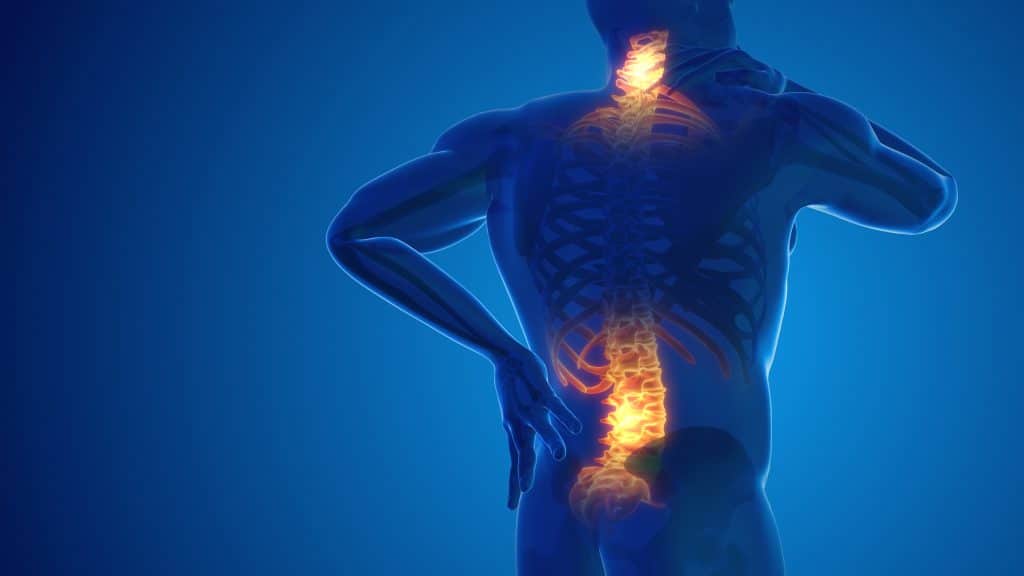
Back pain is one of the most common reasons people see a pain management doctor, and treatment for it usually starts conservatively before moving to anything more involved.
Depending on the cause, treatment might include epidural steroid injections to calm inflammation around an irritated nerve, facet joint injections for arthritis-related back pain, physical therapy to build supporting strength, or trigger point injections for muscle-related pain. Your provider typically starts with the least invasive option and adjusts based on how you respond.
Nerve Pain Treatment Options
Nerve pain feels different from typical muscle or joint pain. It often shows up as burning, tingling, shooting pain, or numbness, and it does not always respond to standard pain relievers.
Options can include nerve blocks, which temporarily interrupt pain signals to both treat and help diagnose the source, along with targeted injections, physical therapy, and medications suited specifically for nerve-related pain. For more complex or persistent cases, more advanced options may be considered as part of a longer-term plan.
Pain Management Without Surgery
For many patients, treating pain without an operation is not just possible. It is the starting point. Surgery is typically considered only after non-surgical options have been tried, or when there is a clear structural problem that needs to be corrected.
Non-surgical treatment can include injections, nerve blocks, physical therapy coordination, and lifestyle adjustments like changes to activity, posture, or ergonomics. Many patients find meaningful relief without ever needing an operating room.
When Chronic Pain Will Not Go Away
If you are dealing with chronic pain that will not go away, no matter what you have already tried, it can feel discouraging and even a little isolating.
That frustration is common, and it does not mean you are out of options. Pain management looks at pain differently than a single specialist treating one body part. It considers the whole picture, and it keeps adjusting the plan until something works.
You do not have to keep living with your pain.
Find Relief with Pain Management at UAB Medical West
If pain is limiting what you can do, our Pain Management team, in partnership with UAB Medicine, offers injections, non-surgical treatment planning, and coordinated care for patients in Bessemer and West Jefferson County.
Schedule an appointment today to start finding relief.